

By James Anthony Phillips
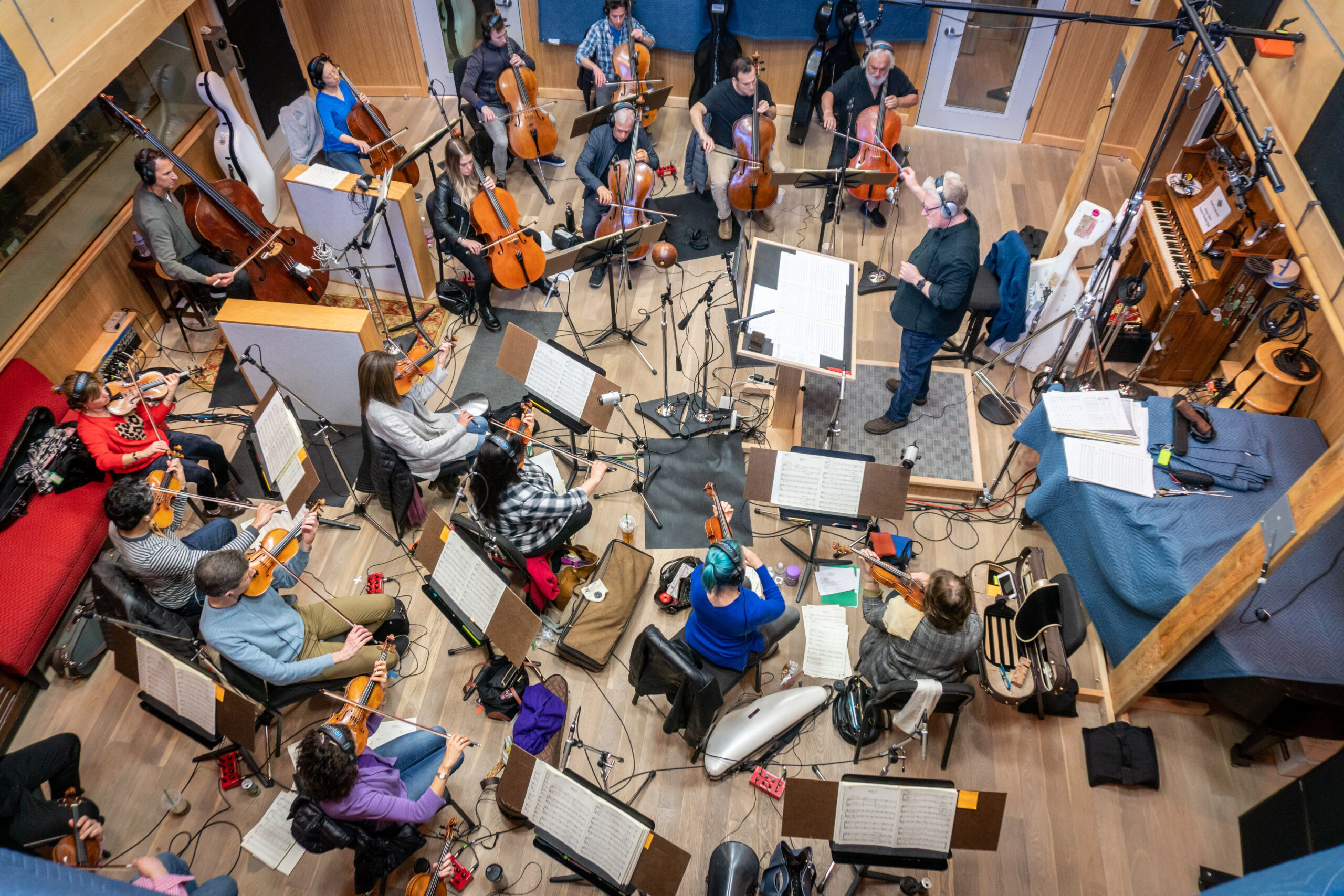
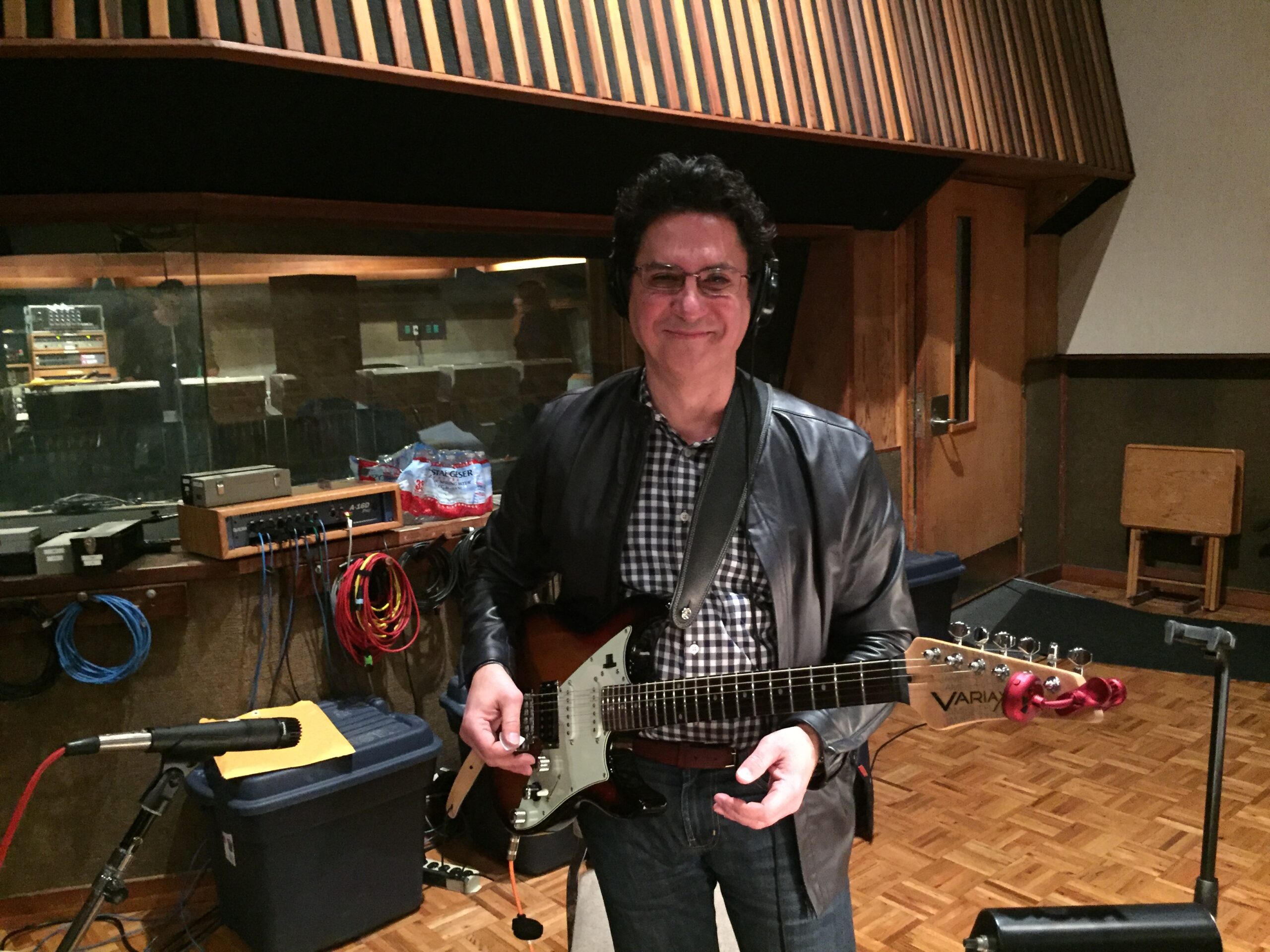
Joseph LoDuca has a long history of scoring epic, historical, fantasy, and science fiction series, such as “Zena,” “Hercules” and “The Librarian” For the past several years, he has been the premier composer for Starz’s “Spartacus” mini-series, a violent retelling of Roman history. Rewriting history for cinematic spectacle has long been practiced, and I am happy — no, overwhelmed with what creator Steven S DeKnight has done by carrying on with his cast and creative team from the previous series for the first season of “Spartacus: House of Ashur” (soundtrack on Lakeshore Records) and composer Joseph LoDuca is a key element in bringing back rousing adventure with suspense, emotion, and ferocity, with an orchestra of 43 strings and 12 brass players, a male and female chorus, and ethnic instruments played by the composer. LoDuca used the only original period instrument, the Cornu di Pompeii, a circular brass horn, and played many of the Middle Eastern and North African instruments in the score: the duduk, saz, tambur, oud, rebab, guembri, ngoni, and quarqabeb. The composer also used an electric guitar viol during the arena scenes to great effect. Fans of classic, Golden Age music scores will rejoice in LoDuca’s romantic lyricism, and action music harkens back to the days of Alex North, Miklos Rozsa, Alfred Newman, and Dimitri Tiomkin. all for 21st Century musical tastes.

Coming back to the Spartacus world after all these years, what was the first thing you wanted to rediscover — or perhaps reinvent — in the musical language of this universe?
For me it was the opportunity to get deeper into playing new, exotic instruments. In the pilot episode, it became clear that Ashur must have a theme. Our show runners are Steven DeKnight and Rick Jacobson. Our first conversations were about “getting the band back together”, retaining what we loved in every department about the first series. As always, I am given a lot of latitude in my musical choices. I try to ask good questions ahead of time, and we came up with the term “dark heroism”. The theme’s first appearance is in an early scene where Ashur tries to inspire his gladiators not to fight for glory, but for individual freedom and “coin”. Achillia, the slave from Kush (now Sudan) makes her first appearance as well. She shows her wild and fast instincts beating up centurions, and the pallet I made for that cue becomes her signature, which are North African rhythms and crazed cries from exotic winds and strings.

Because Ashur’s world is full of betrayal, shifting alliances, and survival instincts, how did you differentiate those emotional tones musically? What does betrayal sound like to you, versus ambition or desperation?
Ashur is plagued by enemies; a ludus owner nemesis, the wife of Capua’s senator, and worst of all Julius Caesar and his wife, Hilara. Dark, snakelike music is often my choice. An electric guitar viol is one of my go-to’s. When Ashur meets Veridia, the Senator’s daughter, who seems to her as the hero who killed the rebel Spartacus, I wrote a “doomed” love theme. This goes a long way to establish sympathy for Ashur.
The “Spartacus” franchise has always had a distinctive sonic palette — raw percussion, haunting vocals, ancient textures blended with modern cinematic energy. How did you approach preserving that identity while still giving “House of Ashur” its own voice?
We wanted to keep what made the first series successful. I am given a budget for orchestra, choir and voice and instrumental virtuoso soloists. The story dictated the new directions in the music. There is very little nobility in the music that the first “Spartacus” series had. There is occasional victory in the arena, but that is not the same thing.

Were there any new instruments, vocal techniques, or production methods you brought into this score that weren’t part of the earlier series?
Yes, I bought and commissioned new instruments: Cornu di Pompeii for fanfares, Greek Aulos, an Aztec death whistle. For Achillia’s music I added more strings and modern tuners to a tenor ngoni, and bass guembri. Those plucked instruments have a stick for a neck, and the guembri arrived from Morocco in tatters. My luthier brought it back to life. I also had the distinct pleasure of working Delaram Kamerah, and Iranian vocalist who contributed most of the vocals that accompany Achillia both in dramatic and battle scenes.
When you first sat down at the keyboard or picked up a pencil, what emotional or thematic ideas were guiding you? What did you feel the score needed to say about this story?
I did not research the music of ancient Rome. Instead, I drew upon the traditions of Arabic and North African music. I tried to deepen my knowledge of the melodic and rhythmic forms. My goal is to try to make the music true to the drama, while being respectful to the traditions I draw upon. As with all musicians, my personal signature can’t help but reveal itself.

At what point in the production timeline were you brought in? And how does that timing influence the way you work — especially on a series with such a strong visual identity?
I get an episode when it is pretty much locked. This is the way I usually work in television / streaming projects. I don’t have a lot of experience with working with auteurs who prefer to hear a lot of music they can use on the set. Due to the timetable of the visual effects, there was quite a bit of time between episodes on my end.
Ashur ends up being a fascinating character — morally ambiguous, cunning, ambitious, but also deeply human. When you began shaping his musical identity, what qualities did you want to capture?
Ashur is portrayed initially portrayed as ruthless, yet he is a former slave ever striving to gain position and respect from the ruling, patrician class. That aspect, plus his softer side as is later revealed, makes us root for this flawed anti-hero. I can’t wait for Season Two!

Watch Season One of “House of Ashur” on Starz, with Joseph Lo Duca’s soundtrack available on Lakeshore Records HERE. Visit Joseph Lo Duca’s website HERE.
https://open.spotify.com/album/0Vf625UsZwbGXIl8wZJ5Dk
Leave a Reply